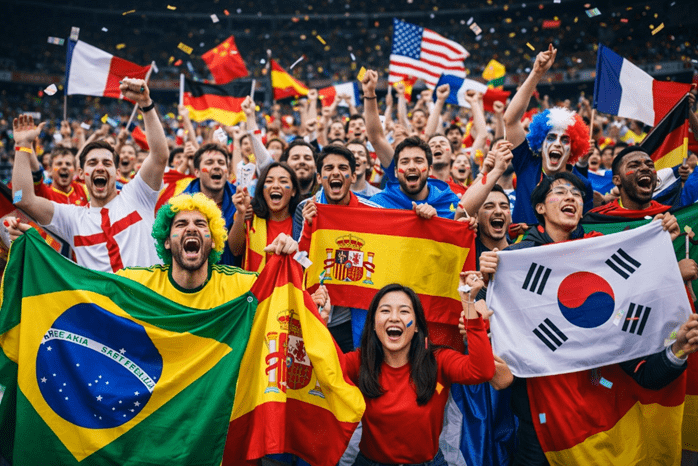
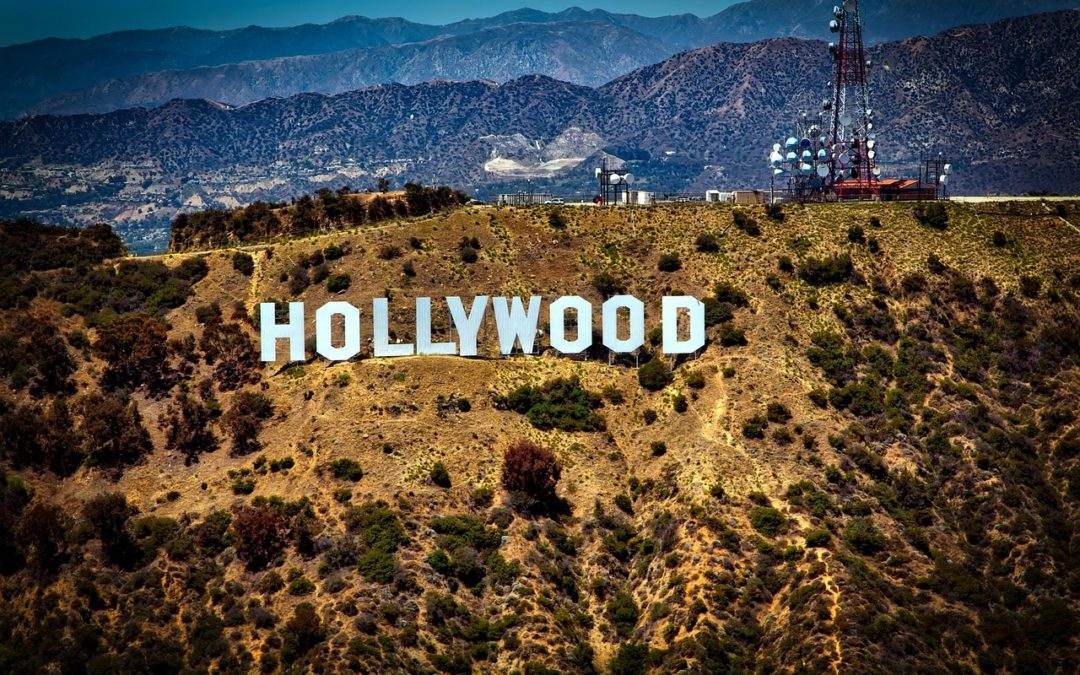
Sports translation in the World Cup Sports translation enables international tournaments to become global spectacles, bringing people from different cultures and backgrounds together. For example, at events such as the FIFA World Cup, fans from around the world come together to share their passion for the sport, despite speaking different languages. Sports translation enables audiences around the world to follow the same matches, teams and stories in real time, whether through official broadcasts or social media posts. In this way, sports translation plays a vital role in breaking down cultural and linguistic barriers, turning soccer into a truly global experience. The global reach of soccer Sports translation is essential for expanding the global reach of soccer. International tournaments attract viewers from all over the world, creating a high demand for multilingual media content. As a result, international soccer events become more accessible, thus reinforcing the sport’s position as one of the most globalized. Cultural differences in language and sports translation The translation of sports terminology is complex and dynamic because sports terms are described differently across languages. Distinct expressions, tones and styles are used when discussing sport, reflecting supporters’ unique understanding of and experience of soccer. The same applies in stadiums, where supporters have unique songs and chants during matches that are difficult to translate convey into other languages. For this reason, sports translation often requires adaptation rather than direct translation. In the context of English football, for instance, if a team has not conceded a goal to the opposing team, the term “clean sheet” is used. Notably, British English speakers do not use the standard English term ‘zero’,...
Lyrics translation in global music With music reaching international audiences through digital platforms, lyrics translation has become increasingly important. Today, many artists incorporate multiple languages into their songs, enabling them to connect with listeners from different cultures and regions. However, when fans do not understand the original language, translating the lyrics becomes essential for fully appreciating the meaning behind the music.Artists such as Shakira and the South Korean group BTS are well-known examples of multilingual performers with global audiences. Their songs often combine several languages, cultural references, that reflect their backgrounds. Lyrics translation helps international fans understand the stories, emotions, and cultural elements embedded in the music. The role of lyrics translation for multilingual artists For multilingual artists, translating their lyrics is crucial role for expanding their reach. When songs are sung in more than one language, some listeners may only understand part of the message. Translating the lyrics enables fans from different countries to understand the full narrative of the song, allowing them to build a stronger connection with the artist’s work.For example, the Spanish singer Rosalía incorporates a wide range of linguistic and cultural influences in her music. Her latest album features elements from multiple languages, including Spanish, Catalan, English, Portuguese, French, Arabic, Mandarin, German, Hebrew, and Japanese. These linguistic choices help shape the artistic message of her songs.Similarly, BTS frequently blend Korean and English in their lyrics, making their music accessible to both local and international audiences. Other global artists, such as Bad Bunny and Shakira, also incorporate multiple languages into their music to reach wider audiences.In these cases, lyrics translation enables listeners to understand how...
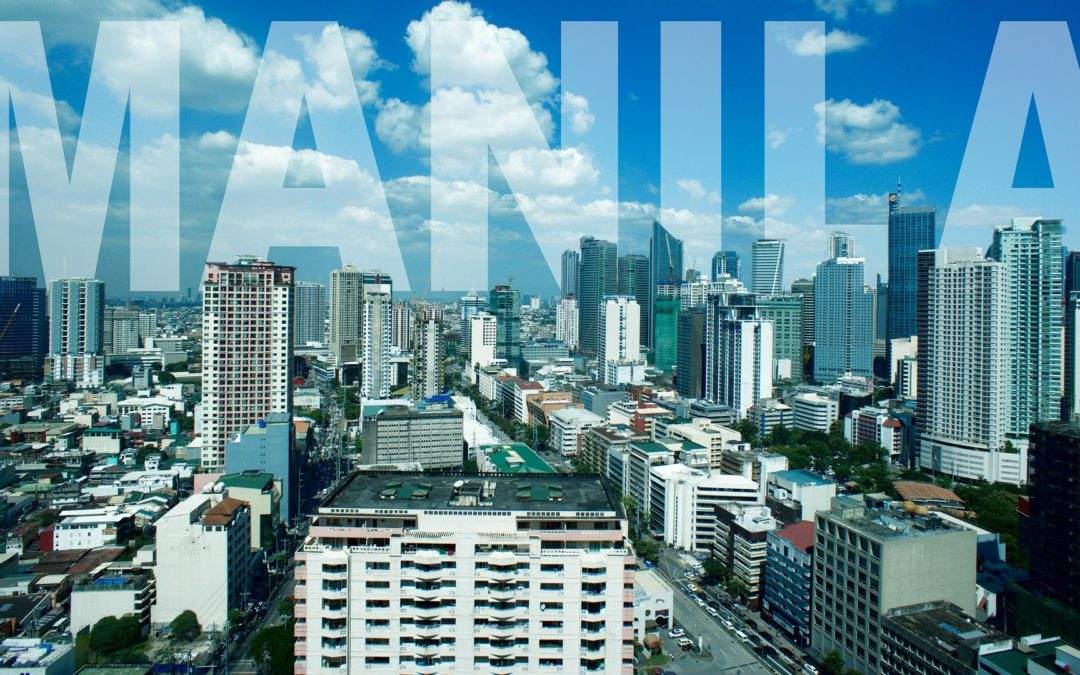
Languages in the Philippines and why Tagalog translation services matter With more than 180 languages and dialects spoken across the Philippines, Tagalog translation services and Filipino language translation play a crucial role in connecting people. This rich linguistic diversity reflects the country’s rich history, culture and regional identities. Effective communication often depends on accurate and culturally aware translation because of this diversity. The Philippines recognizes both Filipino and English as official languages. However, Filipino is largely based on Tagalog, which originated in the central Luzon region. As a result, Tagalog translation has become essential in education, government, business and the media. The role of Tagalog translation services in connecting language Tagalog is widely spoken in the capital, Metro Manila, and the surrounding provinces. Over time, it has become the basis for Filipino, the national language. While many Filipinos speak regional languages at home, they tend to use Filipino or English in formal situations. Given this linguistic landscape, Tagalog translation plays several key roles, including: Facilitating communication between speakers of different regional languages. Supporting businesses that are expanding into the Philippine market. Ensuring clarity in legal, medical, and government documents. Helping brands localize content for Filipino audiences. For companies working with Filipino communities locally or internationally, professional Tagalog translation ensures messages are not only understood but also culturally appropriate. How Philippine languages are used in education, business and media In schools, Filipino and English are the primary languages of instruction. However, many students grow up speaking regional languages such as Cebuano, Ilocano, or Hiligaynon especially during grade school. Therefore, translation plays a critical role in making educational materials accessible. In...
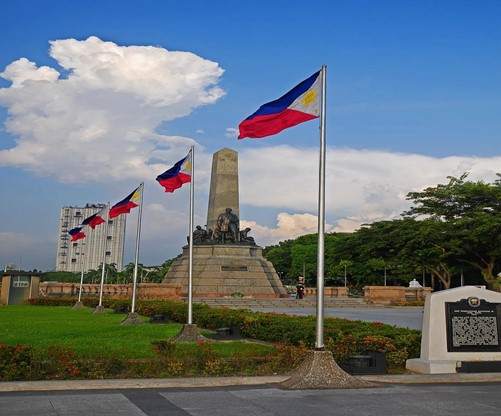
Spanish Tagalog roots in Filipino history For centuries, Spanish and Tagalog have shaped Filipino culture, influencing daily life, traditions, and national identity. When Spain colonized the Philippines in the 1500s, Spanish became the language of government, religion, education and trade. Rather than replacing Tagalog, Spanish blended with it—creating a unique linguistic mix now known as Spanish Tagalog. This blend has had a lasting impact on the way Filipinos speak, think and express their cultural values. From thousands of Spanish loanwords to Catholic traditions, art, architecture and cuisine, the influence of Spanish and Tagalog has transformed Filipino society. Even today, Filipinos use Spanish-derived words in everyday conversation, celebrate Spanish-inspired festivals and bear Spanish surnames that reflect their history. The result is a rich cultural identity in which language serves as a bridge between the Philippines’ indigenous roots and its colonial past. Spanish Tagalog words in everyday Filipino life Spanish Tagalog words are prevalent in Filipino conversations, shaping how people describe objects, time, and daily activities. Standard terms such as mesa (table), silya (chair), kutsara (spoon), tinidor (fork), sapatos (shoes) and trabaho (work) all originate from Spanish. These words have become so ingrained in the Filipino language that most people use them without a second thought, unaware of their Spanish origins. Moreover, the way Filipinos tell the time also reflects this fusion. Phrases such as alas dos (two o’clock) and alas tres (three o’clock) follow Spanish patterns. Numbers such as dos, tres, kuwatro, and sinkuwenta often feature in informal conversations. Beyond vocabulary, even polite expressions, greetings, and everyday phrases have Spanish roots, adding cultural depth to daily communication. The everyday use...
The global appeal of K-pop albums K-pop albums have captured the world’s attention because they represent more than just music—they embody a lifestyle, identity, and global community. Their universal appeal lies in their ability to combine high-quality production, visually stunning performances, and emotionally engaging stories that transcend language barriers. For example, in the digital era, platforms such as YouTube, Spotify, and TikTok made it possible for international fans to access K-pop albums instantly. The vibrant visuals, synchronized choreography and multilingual lyrics attract listeners who may not understand Korean, yet still feel an emotional connection to the music. Moreover, the fandom culture surrounding K-pop albums strengthens their global reach. Fans translate lyrics, share Korean-to-English translations and even create subtitles for videos. This helps others understand the meaning behind the songs. This collaboration between fans and artists has transformed K-pop albums into powerful instruments for global connection and cultural exchange. English and Korean in music albums: The perfect fusion K-pop albums blend English and Korean beautifully, creating music that feels both international and authentically Korean. The use of English phrases in titles and choruses makes songs easy for fans worldwide to sing along to, while the Korean lyrics preserve the music’s emotional depth and cultural identity. Artists such as BTS, BLACKPINK, and Twice demonstrate how two languages can coexist harmoniously in music. Through this fusion, K-pop albums promote not only entertainment but also cultural understanding. Many international fans begin exploring Korean-to-English and English-to-Korean translations in order to fully appreciate the lyrics, which sparks curiosity about the Korean language and culture itself. BLACKPINK, BTS, and Huntri/X: Iconic K-pop albums that broke barriers...
Discover how famous bilingual celebrities built global careers through language Famous bilingual celebrities in entertainment, such as Salma Hayek, Shakira and Bradley Cooper, are proving that being multilingual is a secret weapon in the entertainment world. Their ability to connect with audiences in different languages helps them reach new heights and opens doors worldwide. What makes famous bilingual celebrities in entertainment stand out in a global market? In today’s interconnected world, they are not just entertainers; they are also cultural ambassadors. More importantly, their bilingualism enables them to connect with a variety of audiences, ensuring their work has a deeper resonance. Because of this, they build stronger global fan bases. This unique ability gives them influence that transcends borders and helps them establish a powerful global presence. That’s why bilingual celebrities in entertainment are often chosen for international roles and brand collaborations. Famous bilingual celebrities break barriers—and open new doors Language opens up new opportunities, emotions and meaningful connections, and is about more than just communication. In fact, many famous bilingual celebrities use their language skills to transcend cultural boundaries. Consequently, this has enabled them to star in films, record music and collaborate internationally in ways that might not be possible for monolingual celebrities.For example, Bradley Cooper’s fluency in French has enabled him to connect deeply with European audiences. At the same time, Shakira’s ability to switch between Spanish, English, and Portuguese has helped her top the international charts. 10 multilingual stars who used their language skills to shine Let’s take a closer look at some well-known stars who speak more than one language, along with some surprising facts...