Jul 27, 2026 | Communication, Global Business, Global Communication, Langugae Learning, Localization, Marketing, Multilingual, Traditions, Translation Services, Website Globalization, Website Localization, Worldwide
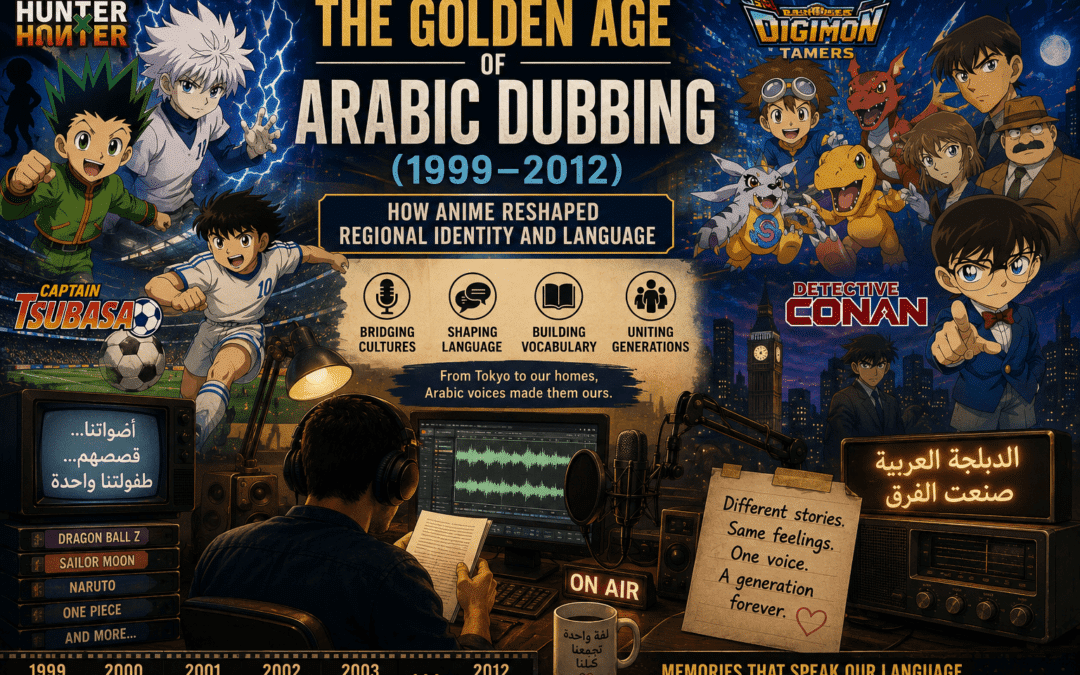
Arabic dubbing from 1999 to 2012: The MBC hit With the expansion of its media and the popularity of its music and cinema, the Middle East and North African region experienced a new evolution in this field with the introduction of Arabic dubbing of various South American soap operas in the late ’80s and early ’90s. The dubbing was a massive success, leading to the expansion of this audiovisual translation method and its use instead of subtitling. This movement forever changed how generations of viewers connected with foreign media. It also allowed localized television tracks to evolve from simple text translations into a core part of regional pop culture identity. As satellite dishes spread across rooftops, audiovisual media stepped in to bridge cross-border divides. Families gathered to watch the same programs, which became cultural landmarks. Young children and teenagers became accustomed to this media, which reshaped the presentation of drama. These audio choices greatly influenced the public. How the Arabic dubbing of Turkish soap operas reshaped regional identity and language The founding of the MBC Groupe, which is the short acronym of Middle East Broadcasting Centre in 1991 marked a shift in Arabic primetime TV. The Saudi-owned studio aired two Turkish series: Noor (Gümüş) and Sanawat Al-Dayaa’ (English: The Lost Years) (Ihlamurlar Altinda). The MBC Group took the creative initiative to dub these shows in Syrian Arabic, also known as the Shami dialect. The result of this initiative was unexpected. The soft cadence of the Levantine dialect felt intimate, and more relatable to the average Arab household. Yet, its phonetic clarity made it easily comprehensible across different sub-regions. The...
Dec 30, 2025 | Bilingualism, Blog, Communication, Filipino Culture, Filipino Language, Global Communication, Holidays, Language, Langugae Learning, Localization, Multilingual Heritage, Traditions, Translation, Translation Services, Worldwide
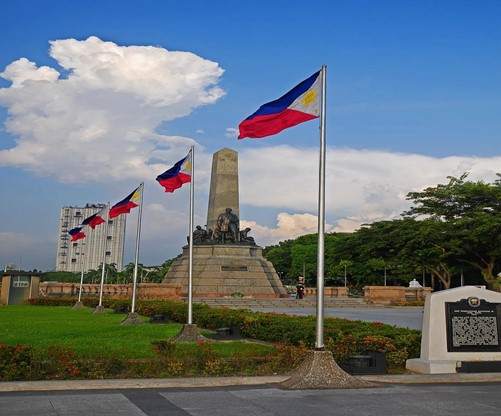
Spanish Tagalog roots in Filipino history For centuries, Spanish and Tagalog have shaped Filipino culture, influencing daily life, traditions, and national identity. When Spain colonized the Philippines in the 1500s, Spanish became the language of government, religion, education and trade. Rather than replacing Tagalog, Spanish blended with it—creating a unique linguistic mix now known as Spanish Tagalog. This blend has had a lasting impact on the way Filipinos speak, think and express their cultural values. From thousands of Spanish loanwords to Catholic traditions, art, architecture and cuisine, the influence of Spanish and Tagalog has transformed Filipino society. Even today, Filipinos use Spanish-derived words in everyday conversation, celebrate Spanish-inspired festivals and bear Spanish surnames that reflect their history. The result is a rich cultural identity in which language serves as a bridge between the Philippines’ indigenous roots and its colonial past. Spanish Tagalog words in everyday Filipino life Spanish Tagalog words are prevalent in Filipino conversations, shaping how people describe objects, time, and daily activities. Standard terms such as mesa (table), silya (chair), kutsara (spoon), tinidor (fork), sapatos (shoes) and trabaho (work) all originate from Spanish. These words have become so ingrained in the Filipino language that most people use them without a second thought, unaware of their Spanish origins. Moreover, the way Filipinos tell the time also reflects this fusion. Phrases such as alas dos (two o’clock) and alas tres (three o’clock) follow Spanish patterns. Numbers such as dos, tres, kuwatro, and sinkuwenta often feature in informal conversations. Beyond vocabulary, even polite expressions, greetings, and everyday phrases have Spanish roots, adding cultural depth to daily communication. The everyday use...