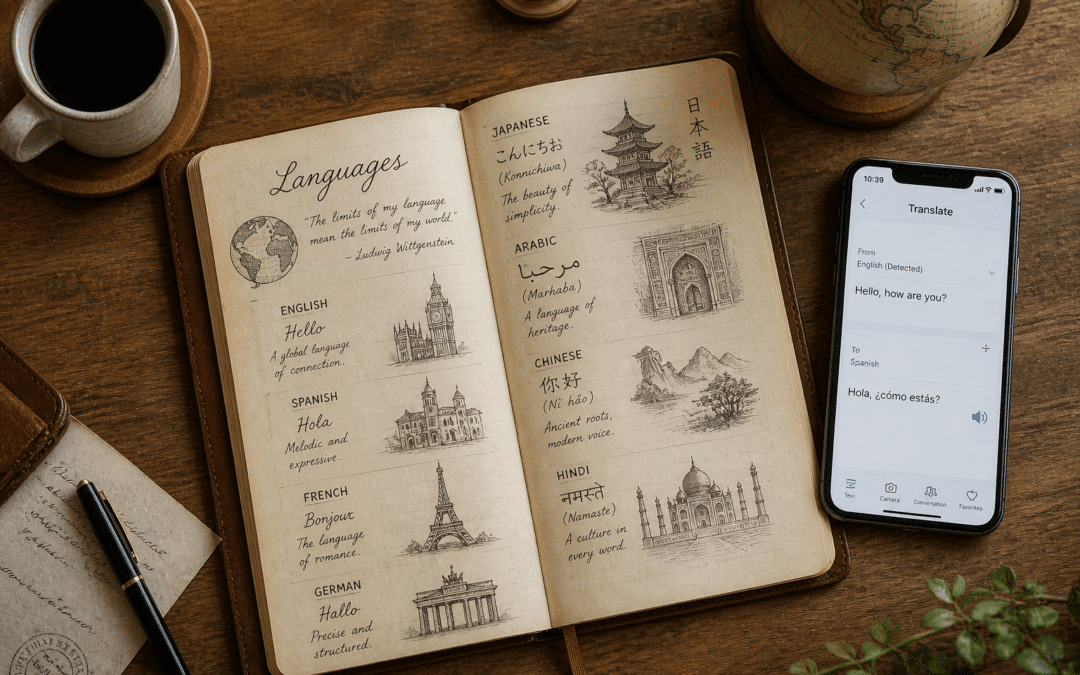
Why linguistic diversity is the heart of meaningful communication Linguistic diversity encompasses much more than just different vocabularies. It reminds us that, while we all feel the same fundamental emotions, the words we use to describe them can vary greatly from one part of the world to another.Although we often think of translation as a simple exchange of words, it is actually an important form of cultural preservation.Consider, the Russian word toska, for example. Translators often render it as “melancholy” or “longing”, but neither of these words truly captures its essence. Toska is a deep, spiritual ache, a pain with no specific cause, a yearning for something that may not exist. Then there’s the Portuguese word saudade: a profound, melancholic longing for a place, person or feeling that may never return. English speakers need entire sentences to express what other languages capture in a single, untranslatable word.This is a beautiful reminder that linguistic diversity gives each culture a unique emotional lens. Examples of linguistic diversity in action There are many words around the world that carry entire philosophies and concepts which cannot be boxed into an English equivalent. Here are some of these untranslatable gems that embody unique emotional worlds: Hiraeth (Welsh): Nostalgia for a home or place you cannot return to or that never existed. Meraki (Greek): Doing something with complete soul, love or creativity. Komorebi (Japanese): Sunlight filtering through tree leaves. A single noun for a poetic visual moment. Apapachar (Spanish): To give a big hug with the soul, not just the arms. Gezellig (Dutch): The warmth of being with loved ones; that cozy and deeply comforting...
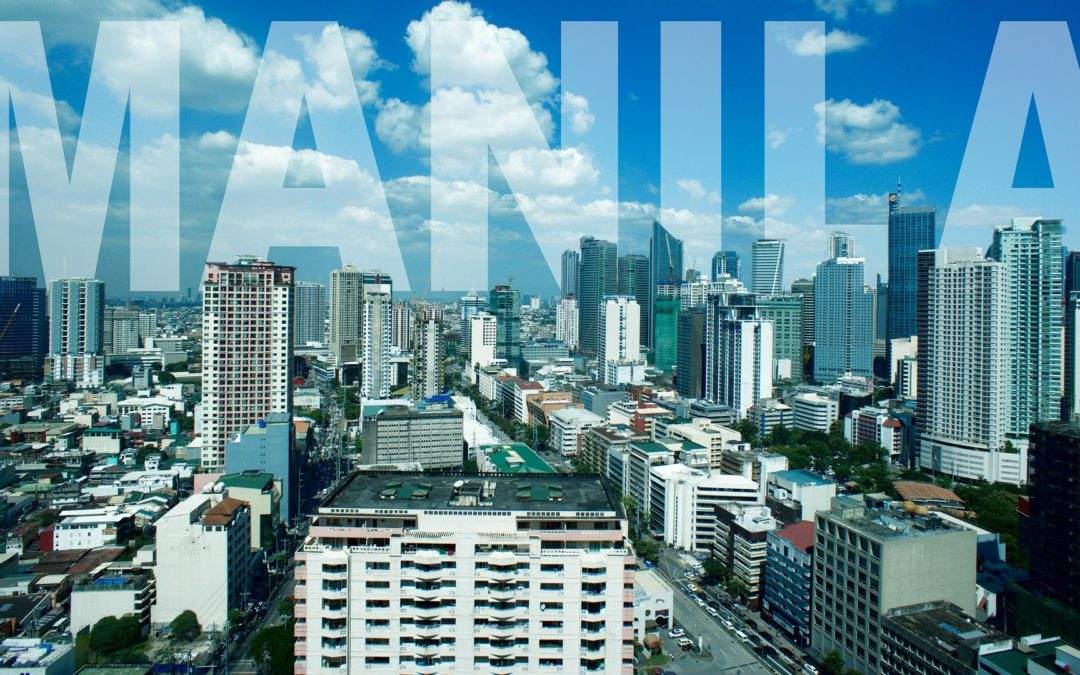
Languages in the Philippines and why Tagalog translation services matter With more than 180 languages and dialects spoken across the Philippines, Tagalog translation services and Filipino language translation play a crucial role in connecting people. This rich linguistic diversity reflects the country’s rich history, culture and regional identities. Effective communication often depends on accurate and culturally aware translation because of this diversity. The Philippines recognizes both Filipino and English as official languages. However, Filipino is largely based on Tagalog, which originated in the central Luzon region. As a result, Tagalog translation has become essential in education, government, business and the media. The role of Tagalog translation services in connecting language Tagalog is widely spoken in the capital, Metro Manila, and the surrounding provinces. Over time, it has become the basis for Filipino, the national language. While many Filipinos speak regional languages at home, they tend to use Filipino or English in formal situations. Given this linguistic landscape, Tagalog translation plays several key roles, including: Facilitating communication between speakers of different regional languages. Supporting businesses that are expanding into the Philippine market. Ensuring clarity in legal, medical, and government documents. Helping brands localize content for Filipino audiences. For companies working with Filipino communities locally or internationally, professional Tagalog translation ensures messages are not only understood but also culturally appropriate. How Philippine languages are used in education, business and media In schools, Filipino and English are the primary languages of instruction. However, many students grow up speaking regional languages such as Cebuano, Ilocano, or Hiligaynon especially during grade school. Therefore, translation plays a critical role in making educational materials accessible. In...
Spanish Tagalog roots in Filipino history For centuries, Spanish and Tagalog have shaped Filipino culture, influencing daily life, traditions, and national identity. When Spain colonized the Philippines in the 1500s, Spanish became the language of government, religion, education and trade. Rather than replacing Tagalog, Spanish blended with it—creating a unique linguistic mix now known as Spanish Tagalog. This blend has had a lasting impact on the way Filipinos speak, think and express their cultural values. From thousands of Spanish loanwords to Catholic traditions, art, architecture and cuisine, the influence of Spanish and Tagalog has transformed Filipino society. Even today, Filipinos use Spanish-derived words in everyday conversation, celebrate Spanish-inspired festivals and bear Spanish surnames that reflect their history. The result is a rich cultural identity in which language serves as a bridge between the Philippines’ indigenous roots and its colonial past. Spanish Tagalog words in everyday Filipino life Spanish Tagalog words are prevalent in Filipino conversations, shaping how people describe objects, time, and daily activities. Standard terms such as mesa (table), silya (chair), kutsara (spoon), tinidor (fork), sapatos (shoes) and trabaho (work) all originate from Spanish. These words have become so ingrained in the Filipino language that most people use them without a second thought, unaware of their Spanish origins. Moreover, the way Filipinos tell the time also reflects this fusion. Phrases such as alas dos (two o’clock) and alas tres (three o’clock) follow Spanish patterns. Numbers such as dos, tres, kuwatro, and sinkuwenta often feature in informal conversations. Beyond vocabulary, even polite expressions, greetings, and everyday phrases have Spanish roots, adding cultural depth to daily communication. The everyday use...
Discover how famous bilingual celebrities built global careers through language Famous bilingual celebrities in entertainment, such as Salma Hayek, Shakira and Bradley Cooper, are proving that being multilingual is a secret weapon in the entertainment world. Their ability to connect with audiences in different languages helps them reach new heights and opens doors worldwide. What makes famous bilingual celebrities in entertainment stand out in a global market? In today’s interconnected world, they are not just entertainers; they are also cultural ambassadors. More importantly, their bilingualism enables them to connect with a variety of audiences, ensuring their work has a deeper resonance. Because of this, they build stronger global fan bases. This unique ability gives them influence that transcends borders and helps them establish a powerful global presence. That’s why bilingual celebrities in entertainment are often chosen for international roles and brand collaborations. Famous bilingual celebrities break barriers—and open new doors Language opens up new opportunities, emotions and meaningful connections, and is about more than just communication. In fact, many famous bilingual celebrities use their language skills to transcend cultural boundaries. Consequently, this has enabled them to star in films, record music and collaborate internationally in ways that might not be possible for monolingual celebrities.For example, Bradley Cooper’s fluency in French has enabled him to connect deeply with European audiences. At the same time, Shakira’s ability to switch between Spanish, English, and Portuguese has helped her top the international charts. 10 multilingual stars who used their language skills to shine Let’s take a closer look at some well-known stars who speak more than one language, along with some surprising facts...
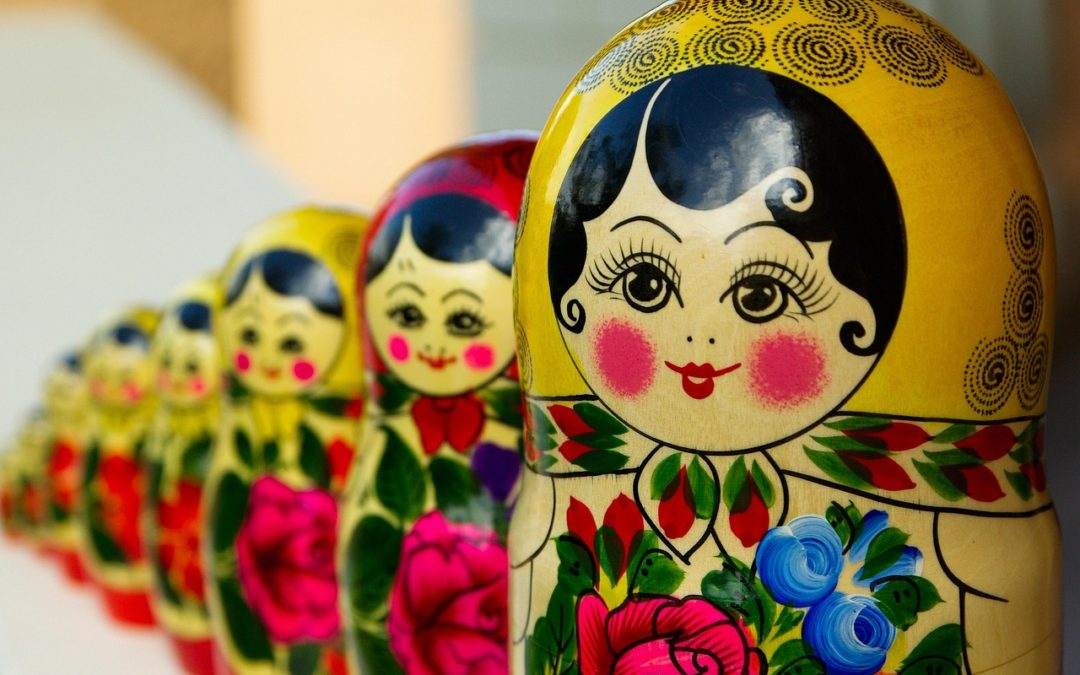
Ethnic diversity and multilingualism in Russia Multilingualism in Russia has been a cornerstone of Russia’s cultural and political development throughout history. Much like the matryoshka doll, a worldwide symbol of Russian identity, the country comprises many interlocking languages and ethnic groups. This linguistic diversity offers a wealth of cultures and languages. However, it also presents challenges. Want to learn more? Keep reading! The historic roots of multilingualism in Russia From the Tsardom of Russia to the Russian Federation via Imperial Russia and the Soviet Union, multilingualism has always played a part in Russia’s history. Its vast territory brought together diverse peoples ranging from Eastern Europe to Northern Asia, resulting in a complex linguistic landscape that persists to this day. This legacy extended beyond Russia’s borders, especially into regions such as Moldova, shaped by centuries of Russian and Soviet influence. Following the annexation of Bessarabia (modern-day Moldova) by the Russian Empire and its subsequent integration into the Soviet Union, Russian became a dominant language in administration, education, and public life. Consequently, Moldova developed into a multilingual society. Nowadays, only Moldovan/Romanian is the official language; therefore, the majority of people speak it. However, Russian, Gagauz, Ukrainian and Bulgarian are also still spoken alongside Moldovan/Romanian. Russian remains influential, particularly in regions such as Gagauzia and Transnistria, reflecting the enduring impact of Russia’s multilingual and imperial past. Multilingualism in today’s Russia As the largest country in the world, Russia is home to multiple ethnic groups with their own languages and cultures. Around 190 ethnic groups speak between 100 and 150 different languages. Below is a non-exhaustive list of some of them: Armenian, Bashkir, Chuvash,...
What exactly is localization? “What exactly is localization and why is it so important today?” is a question worth asking in a globalized world where the internet and social media are bringing us all closer together. It is not only important that your product is available in several languages. It should also be correctly adapted to the target culture. The following article aims to provide information on the concept of localization and the benefits of localizing a product. The industry is relatively young. According to seasoned localization experts O’Hagan and Mangiron, the term was first used by software developers during the late 1980s. This was a time when companies found out that taking their product overseas was advantageous overall. The term “localization” refers to the process of adding and adapting cultural and linguistic elements that are foreign to the original product so that it is received positively in a foreign market. The term is commonly abbreviated to “l10n”. What is the difference between localization and translation? At first glance, you might think that localization is just another way of saying translation. However, this misconception is on the same level as thinking that translation is a simple language conversion, rather than a complex process that often involves technical terminology and attention to detail. In this sense, while translation involves the conversion of a text and its terms from one language to another, localization focuses more on the target culture of the product and its linguistic particularities. Ultimately, the main aim is to reach a wider market overall. For example, if you want your product to resonate with someone in the...