Linguistic Diversity: Why Emotions Escape English Translation
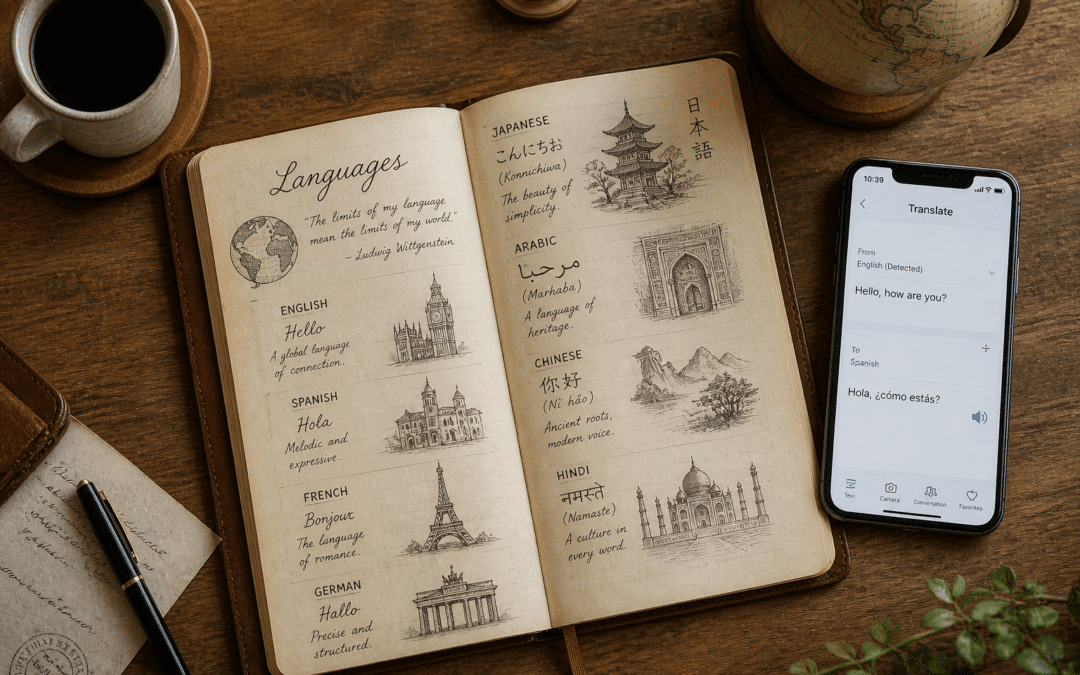
Why linguistic diversity is the heart of meaningful communication Linguistic diversity encompasses much more than just different vocabularies. It reminds us that, while we all feel the same fundamental emotions, the words we use to describe them can vary greatly from one part of the world to another.Although we often think of translation as a simple exchange of words, it is actually an important form of cultural preservation.Consider, the Russian word toska, for example. Translators often render it as “melancholy” or “longing”, but neither of these words truly captures its essence. Toska is a deep, spiritual ache, a pain with no specific cause, a yearning for something that may not exist. Then there’s the Portuguese word saudade: a profound, melancholic longing for a place, person or feeling that may never return. English speakers need entire sentences to express what other languages capture in a single, untranslatable word.This is a beautiful reminder that linguistic diversity gives each culture a unique emotional lens. Examples of linguistic diversity in action There are many words around the world that carry entire philosophies and concepts which cannot be boxed into an English equivalent. Here are some of these untranslatable gems that embody unique emotional worlds: Hiraeth (Welsh): Nostalgia for a home or place you cannot return to or that never existed. Meraki (Greek): Doing something with complete soul, love or creativity. Komorebi (Japanese): Sunlight filtering through tree leaves. A single noun for a poetic visual moment. Apapachar (Spanish): To give a big hug with the soul, not just the arms. Gezellig (Dutch): The warmth of being with loved ones; that cozy and deeply comforting...