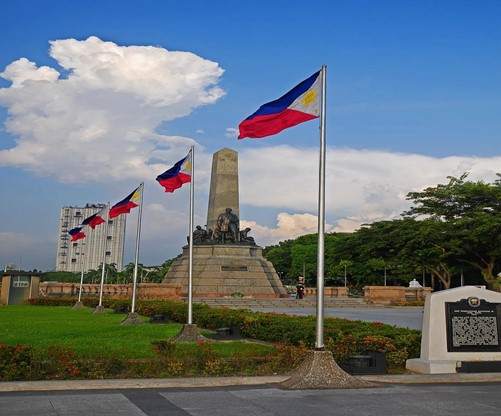
Spanish Tagalog roots in Filipino history
For centuries, Spanish and Tagalog have shaped Filipino culture, influencing daily life, traditions, and national identity. When Spain colonized the Philippines in the 1500s, Spanish became the language of government, religion, education and trade. Rather than replacing Tagalog, Spanish blended with it—creating a unique linguistic mix now known as Spanish Tagalog.
This blend has had a lasting impact on the way Filipinos speak, think and express their cultural values. From thousands of Spanish loanwords to Catholic traditions, art, architecture and cuisine, the influence of Spanish and Tagalog has transformed Filipino society. Even today, Filipinos use Spanish-derived words in everyday conversation, celebrate Spanish-inspired festivals and bear Spanish surnames that reflect their history. The result is a rich cultural identity in which language serves as a bridge between the Philippines’ indigenous roots and its colonial past.
Spanish Tagalog words in everyday Filipino life
Spanish Tagalog words are prevalent in Filipino conversations, shaping how people describe objects, time, and daily activities. Standard terms such as mesa (table), silya (chair), kutsara (spoon), tinidor (fork), sapatos (shoes) and trabaho (work) all originate from Spanish. These words have become so ingrained in the Filipino language that most people use them without a second thought, unaware of their Spanish origins.
Moreover, the way Filipinos tell the time also reflects this fusion. Phrases such as alas dos (two o’clock) and alas tres (three o’clock) follow Spanish patterns. Numbers such as dos, tres, kuwatro, and sinkuwenta often feature in informal conversations. Beyond vocabulary, even polite expressions, greetings, and everyday phrases have Spanish roots, adding cultural depth to daily communication.
The everyday use of these words highlights the evolution of language throughout history and its ongoing influence on Filipino communication in the modern era.
Spanish Tagalog influence on Filipino traditions and identity
Spanish and Tagalog influences have shaped Filipino traditions and identity in lasting ways. Celebrations such as Simbang Gabi, Flores de Mayo and Semana Santa originated from Spanish Catholic traditions but evolved through the incorporation of Tagalog customs and community spirit. This fusion created uniquely Filipino traditions centred on faith, family, food and shared celebrations.
This linguistic connection has also influenced Filipino values. Family-centred living, a strong respect for elders and a deep sense of hospitality reflect both pre-colonial Tagalog roots and Spanish teachings. Surnames such as Dela Cruz, Santos and Reyes show the enduring impact of Spanish rule, while Tagalog remains a unifying language of national pride.
Together, Spanish and Tagalog form a cultural fusion that continues to define Filipino identity today.
Spanish Tagalog blend in modern pop culture and media
This language blend thrives in modern Filipino pop culture and media. Movies, teleseryes and TV dramas often use Spanish-inspired names and phrases such as gracias or adios, which add emotional depth to storytelling.
This mix is also evident in music, fashion and online content. Filipino songs occasionally feature Spanish words to enhance the rhythm and mood, while influencers use Spanish expressions in their videos for comedic or cultural effect. Foods such as adobo, empanadas, and ensaymada remain central to lifestyle content, reminding audiences of this cultural blend.
Altogether, Spanish Tagalog continues to connect history with today’s creative world.
Connecting through language
The blend of Spanish and Tagalog blend shows how language can connect people, cultures and histories. Whether you’re exploring Filipino traditions or trying to reach Filipino audiences, clear and culturally accurate communication is essential.
At LingoStar Language Services, we provide professional multilingual translation services to help you share your message globally. From websites and documents to marketing and subtitles, our team ensures accuracy and cultural relevance.
Do you want to make your message go global? LingoStar can help! We offer a wide range of language services:
- Translation services
- Localization services (websites and subtitling)
- Voice-over translation and subtitling
- Interpretation services
Do you have a project in mind or would you like to learn more about our services?
Call us at 604-629-8420 or email us at info@lingo-star.com. Ask for a free translation quote—we’re here to help! Are you looking to take your content global? Download our free eBook! How to Expand your Online Business—A Beginner’s Guide to Multilingual Website Translation
This eBook is perfect for anyone looking to grow their business globally and create a strong presence online.
Do you want to stay updated on the latest news from the translation industry? Follow us on social media (Instagram, Facebook, X, YouTube, and LinkedIn), explore our other blog posts, and don’t forget to subscribe to our newsletter to join our community!