Feb 25, 2026 | Bilingualism, Blog, Communication, Filipino Culture, Filipino Language, Global Business, Global Communication, Globalization, Language, Language Varieties, Translation Services
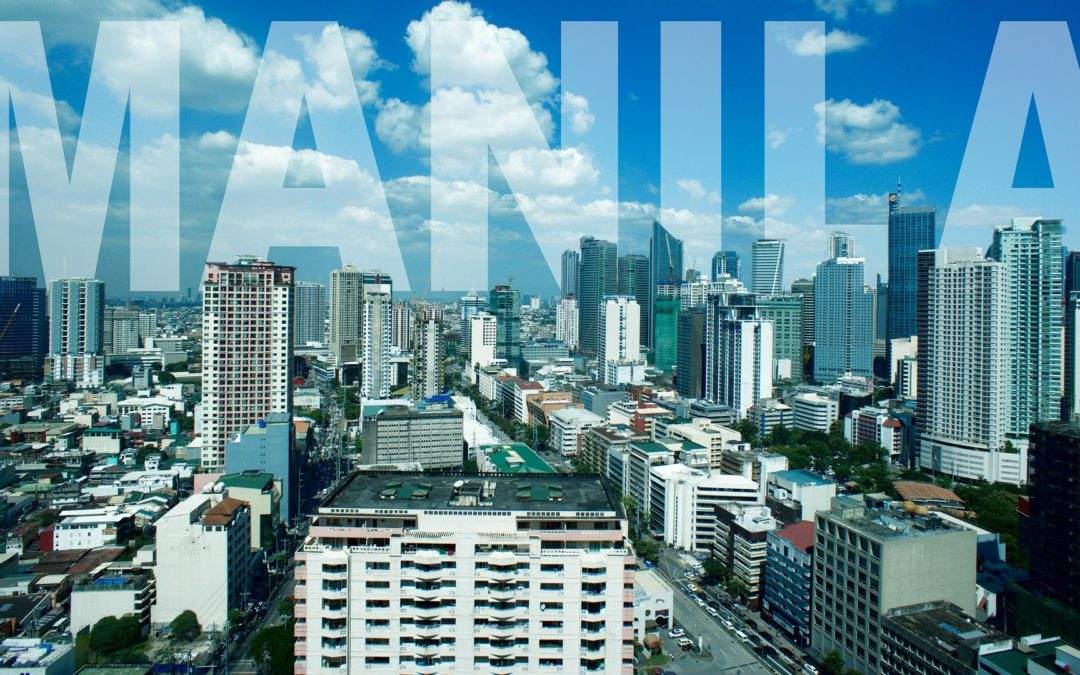
Languages in the Philippines and why Tagalog translation services matter With more than 180 languages and dialects spoken across the Philippines, Tagalog translation services and Filipino language translation play a crucial role in connecting people. This rich linguistic diversity reflects the country’s rich history, culture and regional identities. Effective communication often depends on accurate and culturally aware translation because of this diversity. The Philippines recognizes both Filipino and English as official languages. However, Filipino is largely based on Tagalog, which originated in the central Luzon region. As a result, Tagalog translation has become essential in education, government, business and the media. The role of Tagalog translation services in connecting language Tagalog is widely spoken in the capital, Metro Manila, and the surrounding provinces. Over time, it has become the basis for Filipino, the national language. While many Filipinos speak regional languages at home, they tend to use Filipino or English in formal situations. Given this linguistic landscape, Tagalog translation plays several key roles, including: Facilitating communication between speakers of different regional languages. Supporting businesses that are expanding into the Philippine market. Ensuring clarity in legal, medical, and government documents. Helping brands localize content for Filipino audiences. For companies working with Filipino communities locally or internationally, professional Tagalog translation ensures messages are not only understood but also culturally appropriate. How Philippine languages are used in education, business and media In schools, Filipino and English are the primary languages of instruction. However, many students grow up speaking regional languages such as Cebuano, Ilocano, or Hiligaynon especially during grade school. Therefore, translation plays a critical role in making educational materials accessible. In...

Jan 30, 2026 | Blog, Communication, Global Business, Global Communication, Globalization, Language, Localization, Translation, Translation Services, Website Localization
Introduction to Translating Challenges with Japanese The translation of Japanese is widely regarded as one of the most complex translation challenges in the world. With its multiple writing systems, high-context communication style and deep cultural nuances, Japanese requires far more than simple word-for-word conversion. Whether you are translating business content, websites, manga or audiovisual material, professional Japanese translation services are essential to preserve meaning, tone and intent. In this article, we explore the main linguistic and cultural challenges of Japanese translation, with a special focus on manga translation and professional language services for the Japanese market. Challenges with Japanese translation The Japanese writing system originates partly from China and is unique in that the use of different scripts depends on the grammatical function, convention, and stylistic intent translation of the text. Therefore, for an accurate translation, it is fundamental to understand how these scripts interact. Japanese writing systems explained Interestingly, modern Japanese primarily uses three scripts—Kanji, Hiragana, and Katakana—while Romaji exists for occasional transcription and stylistic purposes. Kanji was introduced to Japan from China in the early centuries AD through trade and diplomacy, and, later, through Buddhist texts. Each Kanji has a meaning, while its pronunciation was historically influenced by Chinese before being later adapted into Japanese. For example, the character 山 means “mountain” in both Chinese and Japanese, though it is pronounced differently. Hiragana and Katakana were developed around 800 AD and represent syllables rather than meanings. Hiragana is typically the first script Japanese children learn. It makes up the grammatical elements such as particles and verb or adjective endings. Katakana is commonly in foreign words, loanwords and technical...
Dec 30, 2025 | Bilingualism, Blog, Communication, Filipino Culture, Filipino Language, Global Communication, Holidays, Language, Langugae Learning, Localization, Multilingual Heritage, Traditions, Translation, Translation Services, Worldwide
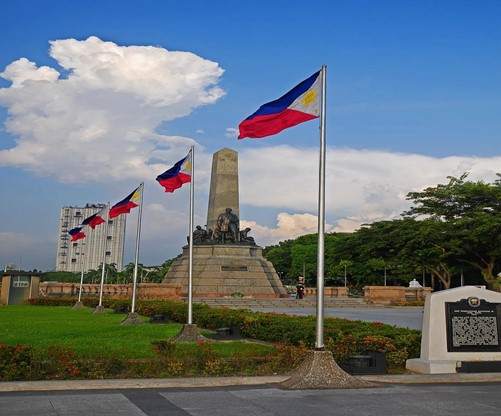
Spanish Tagalog roots in Filipino history For centuries, Spanish and Tagalog have shaped Filipino culture, influencing daily life, traditions, and national identity. When Spain colonized the Philippines in the 1500s, Spanish became the language of government, religion, education and trade. Rather than replacing Tagalog, Spanish blended with it—creating a unique linguistic mix now known as Spanish Tagalog. This blend has had a lasting impact on the way Filipinos speak, think and express their cultural values. From thousands of Spanish loanwords to Catholic traditions, art, architecture and cuisine, the influence of Spanish and Tagalog has transformed Filipino society. Even today, Filipinos use Spanish-derived words in everyday conversation, celebrate Spanish-inspired festivals and bear Spanish surnames that reflect their history. The result is a rich cultural identity in which language serves as a bridge between the Philippines’ indigenous roots and its colonial past. Spanish Tagalog words in everyday Filipino life Spanish Tagalog words are prevalent in Filipino conversations, shaping how people describe objects, time, and daily activities. Standard terms such as mesa (table), silya (chair), kutsara (spoon), tinidor (fork), sapatos (shoes) and trabaho (work) all originate from Spanish. These words have become so ingrained in the Filipino language that most people use them without a second thought, unaware of their Spanish origins. Moreover, the way Filipinos tell the time also reflects this fusion. Phrases such as alas dos (two o’clock) and alas tres (three o’clock) follow Spanish patterns. Numbers such as dos, tres, kuwatro, and sinkuwenta often feature in informal conversations. Beyond vocabulary, even polite expressions, greetings, and everyday phrases have Spanish roots, adding cultural depth to daily communication. The everyday use...