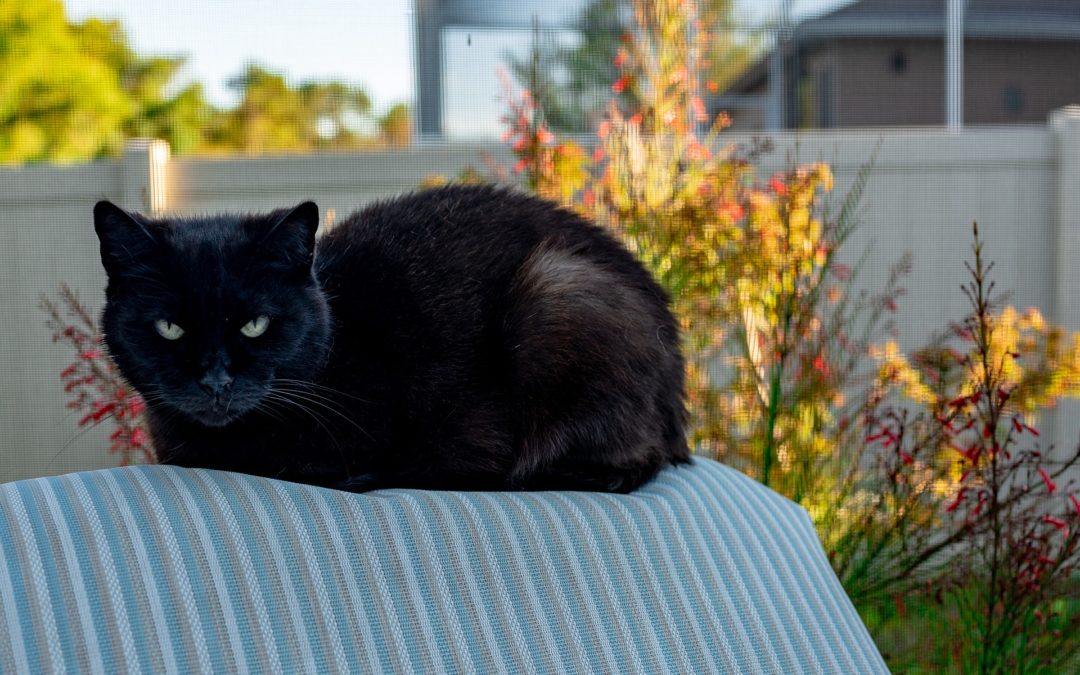
What is a Superstition? A superstition is a belief that is considered supernatural or irrational. Over the years there have been many superstitions that have developed and some are still present. In every country there are superstitions but they may come in different forms. For example, they can be related to a number, day, colour, animal, etc. Superstitions in India: In India there are a lot of superstitions which are believed as supernatural. So here are some of the most interesting ones: Shaking of legs: If a person’s legs shake continuously, they will be left with less wealth. Washing hair on Thursday: Thursday is considered a bad day for washing your hair. The reason again is fear of losing wealth. If you see a garbage truck: If you see a truck full of garbage before leaving your home, it means that your day will pass very well. However, if you see a garbage truck that is empty before leaving your home, it is considered bad and unlucky. More superstitions in India: Colour (White and Black): The colours white and black are not considered lucky for a new bride. She cannot wear these colours for a few months because it is considered a threat on their new relationship. Whereas, in developed countries, it is tradition for the bride to dress in a white gown for the wedding. Sneeze: If you are about to leave from your home for work, and someone sneezes, it is thought to be fear of the unknown. Something will go wrong on the way or the task will not be completed. Perfumes and colognes (fancy and...
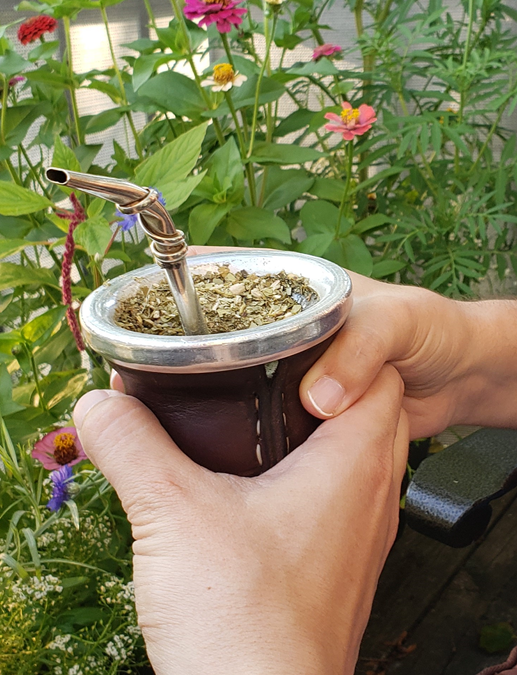
More than a drink Just as British people religiously enjoy their 5 o’clock tea, some countries in the southern hemisphere share a very popular drink: “el mate.” This tea-like infusion (also known as chimarrão in Brazil) is made with yerba mate and is enjoyed by children and adults at any time of day. What’s more, it has been an integral part of the culture in Argentina, Uruguay, Paraguay and southern Brazil for many years now. So, let’s learn a little more about this important drink. Origin of “el mate” and yerba mate Yerba mate was already being consumed long before the “new world” was discovered. Actually, it was the Guaraní people who inhabited parts of South America who introduced the plant to the European settlers. The settlers began to cultivate it and to make it well-known throughout the rest of the southern regions. Although the yerba mate cropping tradition almost disappeared when the Jesuits were expelled from the region, native people took over and transformed it into commercial harvesting. “El mate” is also related to the image of “el gaucho”, a popular cowboy-like figure from Argentina, Uruguay and the southern part of Brazil. El gaucho is commonly depicted as a horseman dressed in leather boots or espadrilles, a long-sleeved cotton shirt and baggy pants (bombacha), carrying a bola (best known as boleadora) or a long gaucho knife (facón). How to prepare “el mate” First of all, to start “el mate” we need the following things: Yerba mate –that is, the processed ground leaves of the yerba mate plant.A mate –that is, the receptacle where we’ll put the yerba mate....
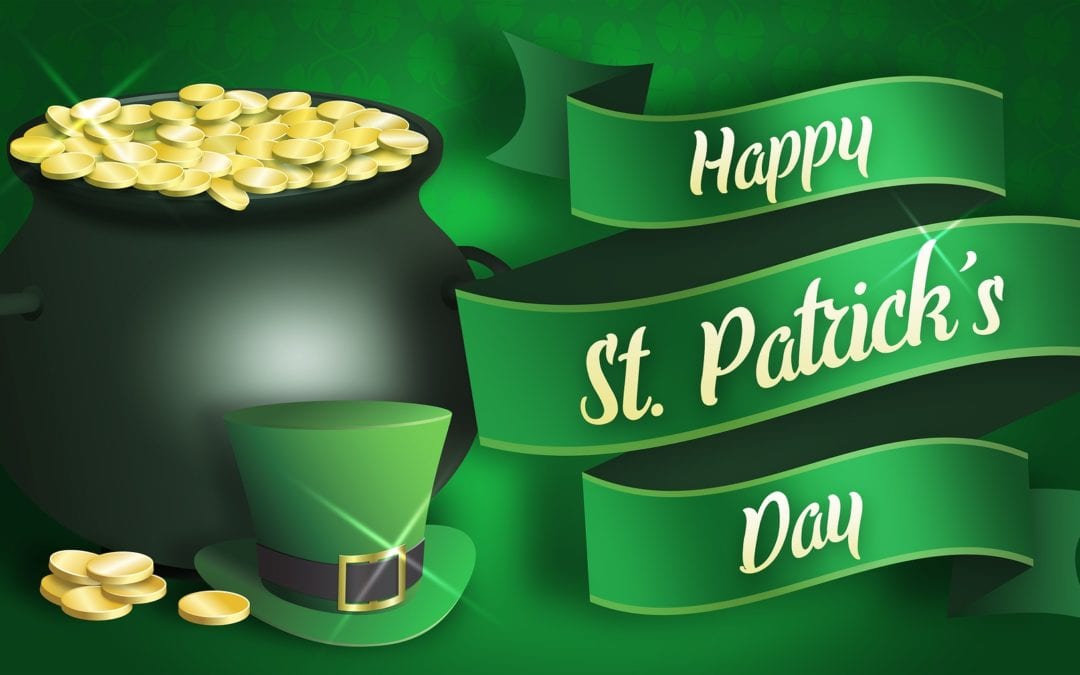
Who was Saint Patrick and what he did. What is the day of Saint Patrick? The day of Saint Patrick is a religious and cultural Irish celebration, held annually on March 17th. Saint Patrick is Ireland’s patron saint. On this day, people in Ireland, as well as around the globe, celebrate Saint Patrick’s traditional death date (AD 385–461). He was a Christian bishop, missionary and apostle in Ireland during the 5th century. Believe it or not, he was not Irish. He was probably born in Scotland, but nobody knows for sure. Why was Saint Patrick famous? Saint Patrick was kidnapped and enslaved by Irish marauders when he was 16. He worked as a herder for the next 6 years. This experience made him very religious. But, one night he had a revealing dream: a mysterious voice asked him to go back to Great Britain, and he did. Once there, he had another revealing dream. In this one, he received a letter titled “The Voice of the Irish”. As he read it, he seemed to hear Irish people claiming his return to their land. He studied to become a priest and then he was appointed as a bishop. What did Saint Patrick do? After becoming a bishop, Saint Patrick went back to Ireland to preach the gospel. He converted thousands of people and built churches. It also said that Saint Patrick baptized hundreds of people in just one day. The three-leaf clover became his symbol as he used one to describe the Holy Trinity. He died in poverty on March 17th, 1461 in a city called Saul. This is the city where...
This time of year is all about food! Yes! Because Christmas and New Year’s celebrations are full of traditional meals, desserts, and drinks to enjoy with family and friends and to celebrate the happiness of being together, we decided to come up with a list of 7 New Year’s Eve Foods That Give You Luck. Around the world, there is a common belief that certain foods can give you luck if you eat them at the right time. Also, there are many superstitions around New Year’s Eve. On New Year’s Eve, people believe that eating certain in a specific order will bring some luck, or help you to earn more money, travel or even find your soul mate. If you are the type of person that likes to do things for luck or if you are just curious about these superstitions. What do you want for the New Year? 1. Do you want to have one wish for each month of the new year? Eat grapes: In countries like Spain, Mexico, and Venezuela, people believe that you should eat one grape for each of the 12 strikes during the final countdown on New Year’s Eve. If you do so, you will have one wish per month. Don’t miss the opportunity to receive one wish for each month of the coming new year! 2. Do you need good luck and positivity? Eat black-eyed peas: It is a believe that Hoppin’ John, as these peas are also referred to, bring prosperity in the New Year. The ingredients that you use to prepare them represent money, positivity, and...
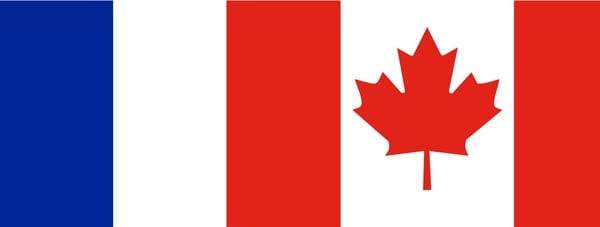
Canada and France: are there many differences? We love to discover new cultures around the world. Here are a few cultural differences between France and Canada about the language they speak, the food they like and the sport they play or watch. Differences in Languages The two main languages spoken in Canada are English and Canadian French. English is by far the most spoken language in Canada with 58% of Canadians speaking English and only 22% speaking French. Canadian French is a variation of the French language from France, originating from the 18th century. In France, French is the official language and many people know some English but less are fluent. Differences in Food Canada has a large variety of dishes from East to West. Most of them are based on meat, cheese, and potatoes. First of all, poutine is one of the most famous dishes in Canada and especially in Quebec. It is a delicious meal made with French fries, gravy and cheese curds. In addition, British Columbia salmon, and Alberta beef and bacon are also very much appreciated in Canada. Coincidentally, meat, cheese and potatoes are also much appreciated in French cuisine. For example, Raclette and Tartiflette are typical French dishes composed of potatoes, bacon and cheese. On the sweet side, Canada is famous for its maple syrup and beavertails. Nevertheless, in France, pastries and bakery goods are also very typical with the classic baguette, croissant and pain au chocolat. Differences in Sport The national sport in Canada is ice hockey. However, most American sports, like football and basketball, are also represented in Canada. The National Hockey...
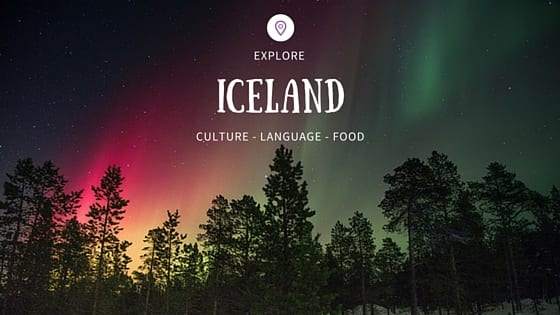
Iceland – The Land of Ice and Fire Dear reader, Have you ever been to Iceland? If not, you should definitely check out this amazing country! It is about a 5 hour flight from Toronto (you can get cheap tickets at Icelandair, who also provide all-inclusive trips. 😉 ). But first of all, what can you do in Iceland and what is the culture like? What to do in Iceland? If you think there is nothing to do in Iceland, you are wrong! The beautiful landscapes invite you to go on incredible hikes, and a lot of festivals are held in Iceland, where people celebrate together. It doesn’t matter if you visit during the summer – or wintertime; there are plenty of things to do. If you decide to spend the summer in Iceland, you will definitely have plenty of daylight hours, up to 22 hours in June! It is a magical time of year, and taking a stroll in the midnight sun will show you Iceland in a different light. During the autumn and winter months, Iceland is famous for the Aurora Borealis – also known as the northern lights. Even though the sun shines for maybe 4 hours or less, which may seem depressing, the darkness allows you to view those beautiful lights, which appear out of the blue and disappear just as quickly. Icelandic landscape Iceland is called “The Land of Ice and Fire” since it is home, not only to the largest glacier in Europe, but also to the world’s most active volcanoes. Due to this volcanic activity under the earth’ surface, there are also...