Languages in the Philippines and why Tagalog translation services matter
With more than 180 languages and dialects spoken across the Philippines, Tagalog translation services and Filipino language translation play a crucial role in connecting people. This rich linguistic diversity reflects the country’s rich history, culture and regional identities. Effective communication often depends on accurate and culturally aware translation because of this diversity.
The Philippines recognizes both Filipino and English as official languages. However, Filipino is largely based on Tagalog, which originated in the central Luzon region. As a result, Tagalog translation has become essential in education, government, business and the media.
The role of Tagalog translation services in connecting language
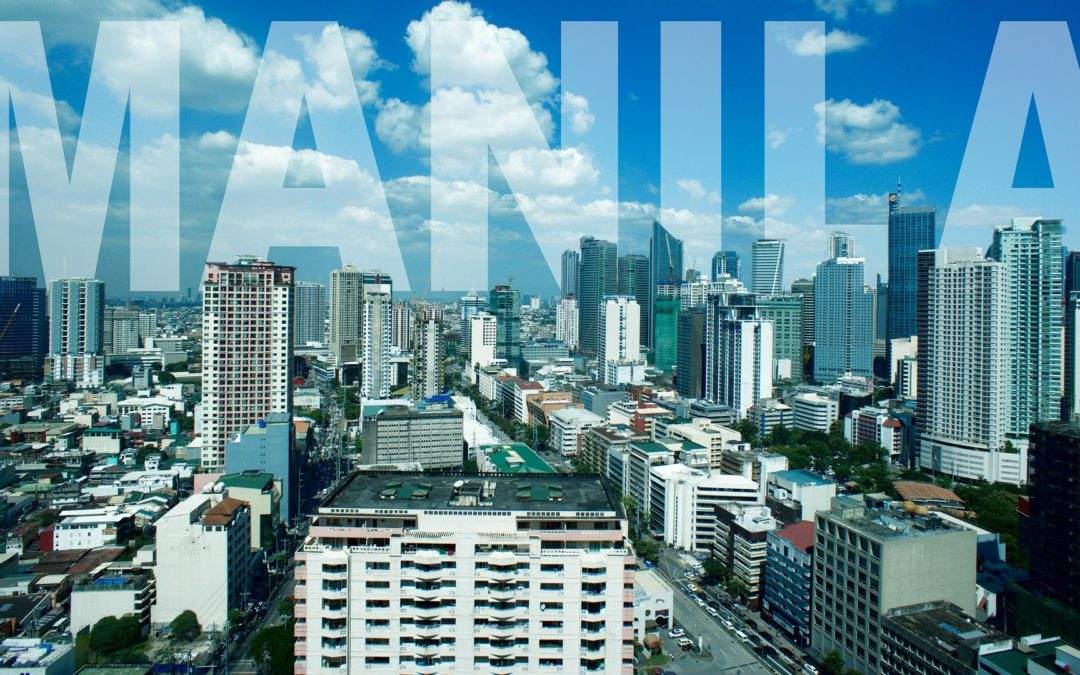
Tagalog is widely spoken in the capital, Metro Manila, and the surrounding provinces. Over time, it has become the basis for Filipino, the national language.
While many Filipinos speak regional languages at home, they tend to use Filipino or English in formal situations.
Given this linguistic landscape, Tagalog translation plays several key roles, including:
- Facilitating communication between speakers of different regional languages.
- Supporting businesses that are expanding into the Philippine market.
- Ensuring clarity in legal, medical, and government documents.
- Helping brands localize content for Filipino audiences.
For companies working with Filipino communities locally or internationally, professional Tagalog translation ensures messages are not only understood but also culturally appropriate.
How Philippine languages are used in education, business and media
In schools, Filipino and English are the primary languages of instruction. However, many students grow up speaking regional languages such as Cebuano, Ilocano, or Hiligaynon especially during grade school. Therefore, translation plays a critical role in making educational materials accessible.
In business, English is commonly used for contracts and international communication. However, marketing campaigns, advertisements, and customer service materials often require translation into Tagalog to resonate with local audiences, particularly non-English speakers.
Similarly, media outlets use Filipino (Tagalog-based) to reach viewers nationwide. Television programs, news broadcasts, and online content frequently rely on translation and localization to ensure clarity and engagement.
For further cultural insight into Filipino language and identity, you can explore this related article.
The role of language in education, business and culture in the Philippines
In the Philippines, language is more than a means of communication. For Filipinos, it represents identity and heritage. Regional languages remain powerful symbols of local pride. At the same time, Filipino unites the country, while English connects it to the global economy.
Due to globalization, migration, and international trade, the need for accurate translation services has never been greater. Companies looking to expand into the Filipino markets must ensure their messaging reflects the relevant cultural nuances, tone and context.
Professional translation providers help businesses avoid misunderstandings and build trust with their audiences.
Filipino translation, Tagalog translation and regional languages: What’s the difference?
Many people ask, “Is Filipino the same as Tagalog?
While the two languages are closely related, Filipino is the standardized national language, largely based on Tagalog but also influenced by other Philippine and foreign languages. In practice, most Filipino translation projects use Tagalog structures and vocabulary.
Regional languages, however, are distinct. For example:
- Cebuano is widely spoken in the Visayas and Mindanao.
- Ilocano is spoken in Northern Luzon.
- Hiligaynon is common in Western Visayas.
Therefore, when businesses request Tagalog translations, they are usually looking to reach a broad national audience. However, depending on the target region, translating content into a specific regional language may be more effective.
For additional language insights, you may also watch this overview video.
Why professional Tagalog translation services matter
Machine translation tools can help with simple phrases. However, they often miss idiomatic expressions and industry-specific terminology.
Professional Tagalog translation ensures:
- Accuracy and consistency
- Cultural sensitivity
- Industry expertise
- Clear and natural language flow
At LingoStar, we provide professional Tagalog translation services tailored to your business needs. Whether you require website localization, marketing translation, or document translation, our experienced linguists ensure your message connects effectively.
Learn more about our Tagalog translation services here.
You can also download our free multilingual translation e-book to understand how to expand your online business.
Do you want to stay updated on the latest news from the translation industry? Follow us on social media (Instagram, Facebook, X, YouTube and LinkedIn), explore our other blog posts, and don’t forget to subscribe to our newsletter to join our community!